One removes the launch. The other is almost entirely about it. Run them on the same weekend with the same cars and there is nowhere left to hide.
A rolling race starts with both cars already moving, so it tests the engine and the tune. A drag race starts from a standstill, so it tests the launch, traction and gearing as much as the power. The Tanzanite TT runs both because either one on its own only tells you half of what a car is.
If you watched Round 1 in Arusha from 12 to 14 June 2026 and wondered why the same cars lined up twice in two different ways, this is the answer.
In a rolling race, the two cars are travelling side by side at a set speed before the race begins. Nobody launches. Nobody drops a clutch. There is no reaction time to win or lose on, no bogging down, no lighting up the rears off the line.
Everything that normally decides a standing start has been deleted. What is left is a straightforward question: from this speed, which car pulls? That comes down to the engine and how well it is actually tuned. Not the spec sheet. Not the dyno graph someone was shown when they bought it. What it makes, right now, on the fuel it is running.
Rolling races reward a healthy engine and an honest tune rather than a good launch.
John Doe
This is why rolling races settle arguments that have been running for months. Car culture everywhere trades in claimed numbers, and the claim is very hard to disprove in conversation. It is extremely easy to disprove at 80 km/h next to someone.
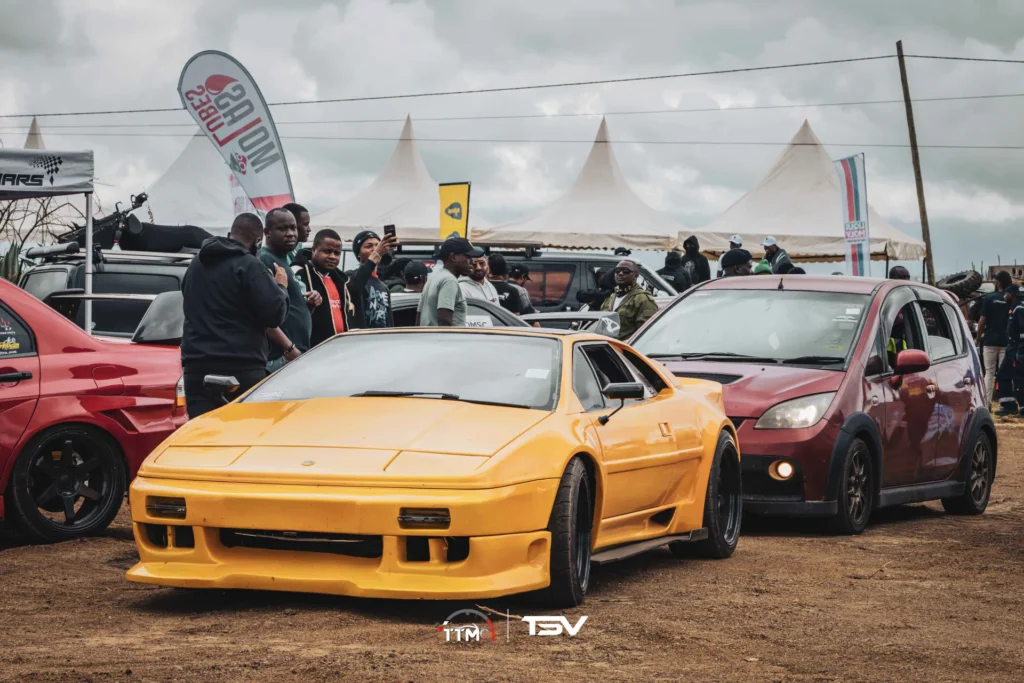
Now put the same two cars on a standing start and the result can flip completely.
From zero, power is only useful if the car can put it on the ground. A high-power build with the wrong tyres, the wrong gearing or too much rearward torque all at once simply spins, and spinning is slow. Meanwhile something with less peak power but better traction and a driver who can launch it cleanly is already gone.
Neither discipline is more legitimate than the other. They are just different questions. A drag win says this whole package works from a standstill. A rolling win says this engine is the real thing. Plenty of cars can only claim one.
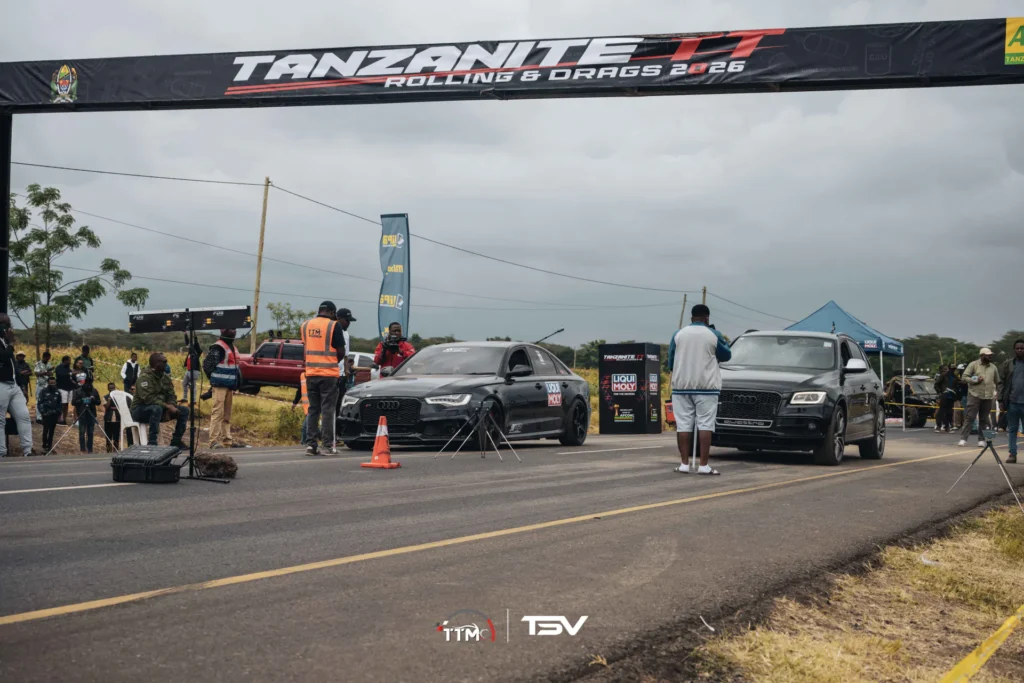
Separate the two disciplines across separate events and drivers self-select — the traction-limited big-power car only shows up to roll, the well-sorted lower-power car only shows up to drag. Everyone gets to keep their reputation.
Run them across the same weekend, on the same entry, and that option disappears. The Tanzanite TT format means a driver has to be honest about the whole car, not just its best angle. That is a harder weekend, and a much better one to watch.
The official Tanzanite TT rolling and drags highlight film shows both formats back to back. The difference between the two is more obvious in ten seconds of footage than in anything written here.
The drift showcase from the same weekend is covered in Part 1 of the coverage.
The Tanzanite TT Grand Finale runs 12–13 December 2026, organised by TTMC in Arusha. If Round 1 in June told you something uncomfortable about your car, that is the format working as intended — and there is still time.
The honest reading of most builds is that they are strong in one discipline and untested in the other. The winter is for finding out which one you are.
Before the Finale, the calendar heads south. Mbeya Racing runs Chunya Drift Season 2 on 25–26 July 2026 — a rookie-focused drift event in the southern highlands.
Join the movement. Subscribe to the Tanzania Sport Vehicles channel for full event films from across Tanzania.
TSV produces premium motorsport content, professional photography and event films across Tanzania. We film the scene so it has a record.